
Industrial compactors and internal logistics: 6 benefits you're not considering.
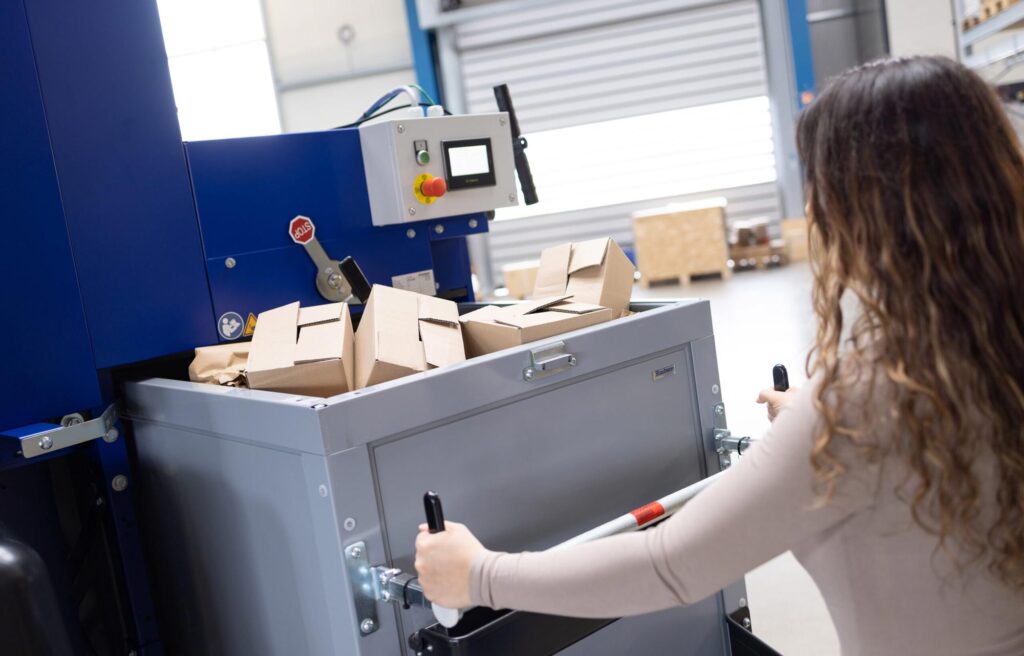
Industrial compactors are often evaluated based on two immediate benefits: reducing waste volume and reducing the space required to store it. This is true, but this only tells part of their impact. In a warehouse, distribution center, or manufacturing plant, waste is also part of logistics […]
Pallet wrapping robots vs. pallet wrapping machines: the comparison
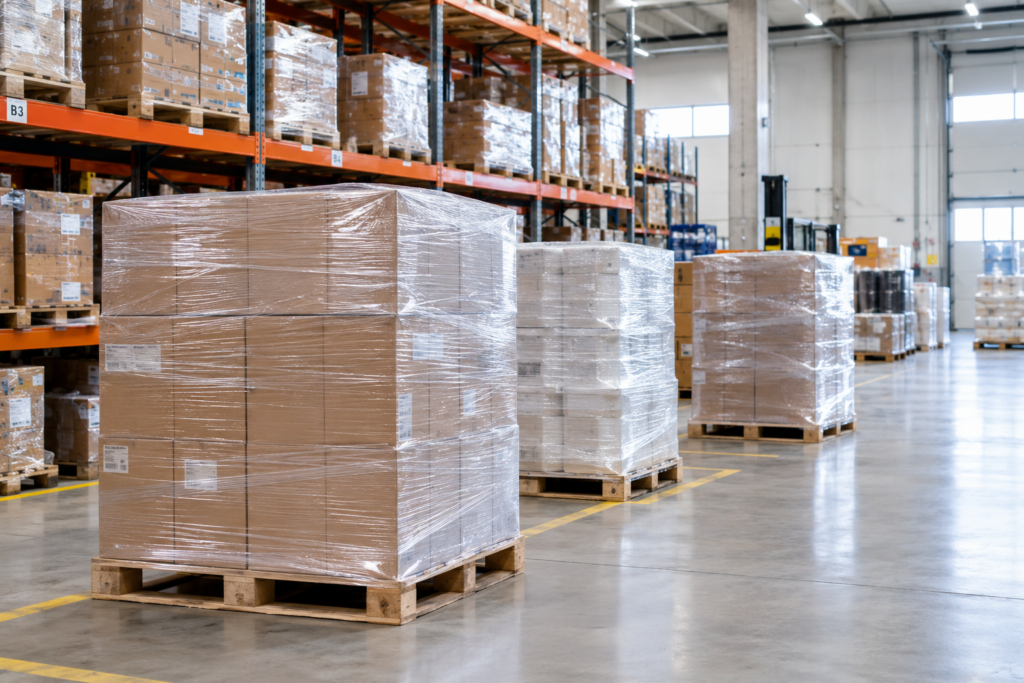
Short answer: The wrapping robot approaches the pallet and circles it; the stationary pallet wrapper receives the pallet at a dedicated station, where it rotates it on a table or wraps it with a rotating arm. The robot is useful when the pallets are located at different locations within the plant, are oversized, or are very […]
Automatic box strapping lines: greater efficiency and control at the end of the line
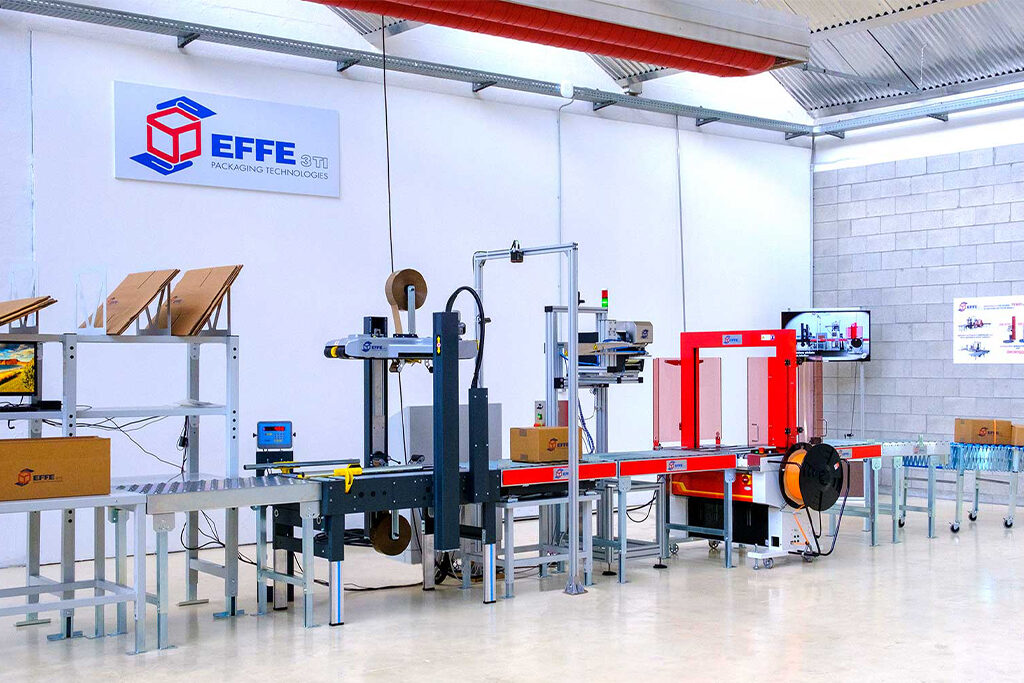
Automatic box strapping can significantly impact end-of-line efficiency when volumes begin to increase. Manually applying strapping may be sufficient for a few shipments, but it becomes progressively less sustainable when each package must be closed, weighed, identified, strapped, and prepared for handling or palletizing. It is precisely at this stage […]
Vertical or automatic cardboard compactor: a guide to choosing

Cardboard compactors can be vertical or automatic, but the choice between the two depends on more than just the volume of waste produced. For example, it also depends on the way the cardboard is generated, the frequency with which it must be handled, the available space, and the level of automation already present in […]
Rotating arm wrappers: why they're ideal for unstable loads
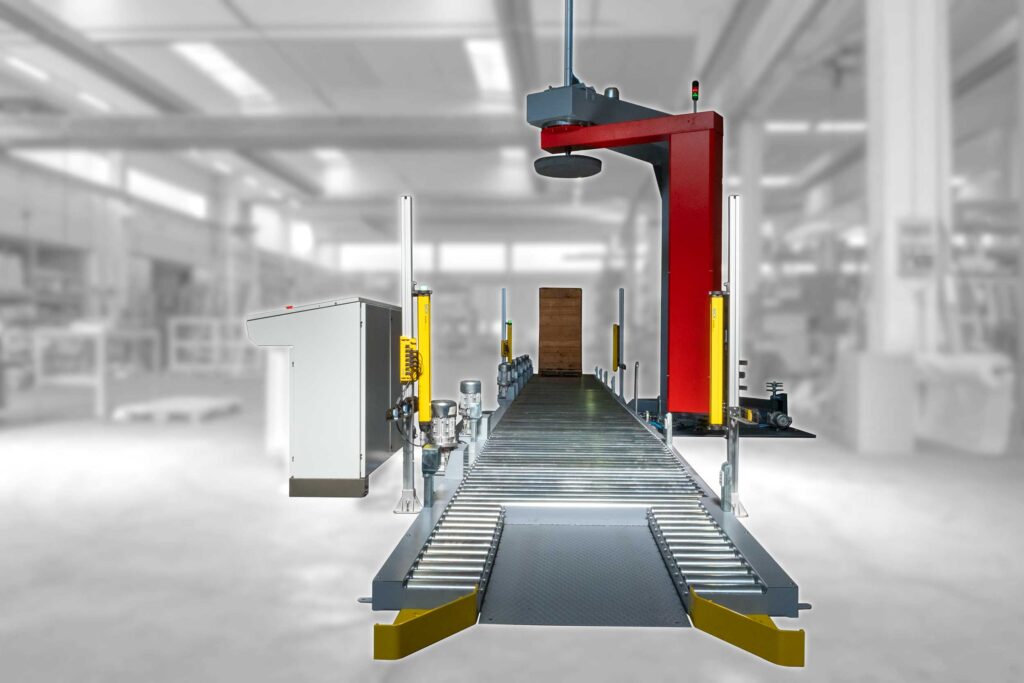
Rotating arm stretch wrappers address a particularly pressing end-of-line problem: securing heavy, irregular, oversized, or unstable pallets without subjecting them to rotation during stretch film application. When the load is tall, light, out of shape, or consists of products that can easily shift […]
Waste press: the most common sizing errors
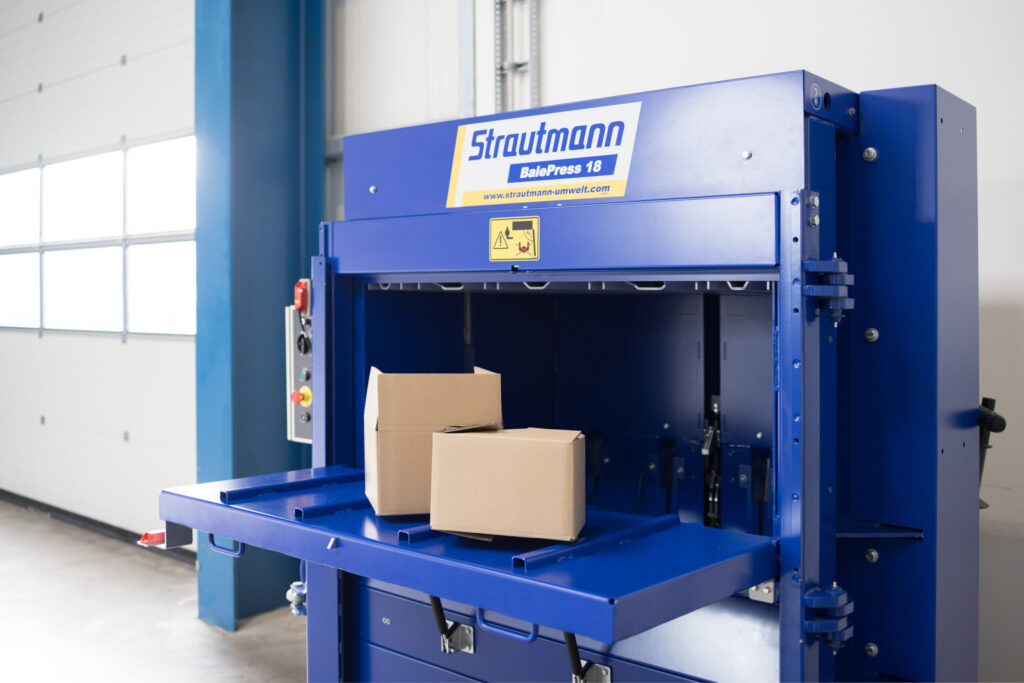
A waste baler is a machine that can significantly impact space management, handling costs, and collection frequency. For this to happen, however, it must be chosen based on the company's actual throughput. A model that's too small risks quickly becoming inadequate, while an oversized machine can become a […]
Packaging Systems: How to Reduce End-of-Line Bottlenecks
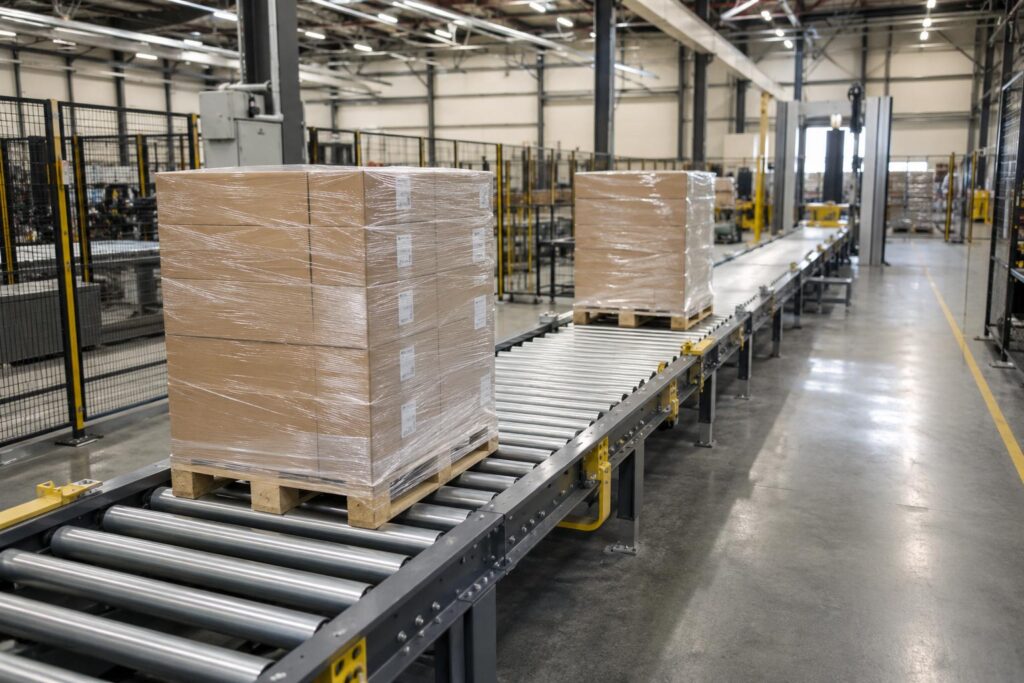
Packaging systems directly impact the speed at which a product leaves the line, enters the warehouse, and is prepared for shipment. When the end-of-line is not sized correctly, even efficient production can slow down in the final stages. In other words, wrapping, strapping, weighing, labeling, and handling become critical points […]
Semi-automatic wrapping machines: why they remain key in 2026

Even in 2026, semi-automatic wrapping machines will remain one of the most important solutions for companies that need to manage pallet wrapping without necessarily moving to a fully automated line. Because the market is increasingly focused on logistics costs, load stability, and material consumption, these machines will continue to occupy a […]
Spinny: the rotating table wrapping machines designed to last

Rotating table wrapping machines have become an increasingly important presence in end-of-line departments. Companies are paying increasing attention to pallet packaging, especially considering costs and operational continuity. From this perspective, Effe3Ti's Spinny range is among the solutions designed for companies […]
Industrial compactors: what are the applications beyond cardboard?
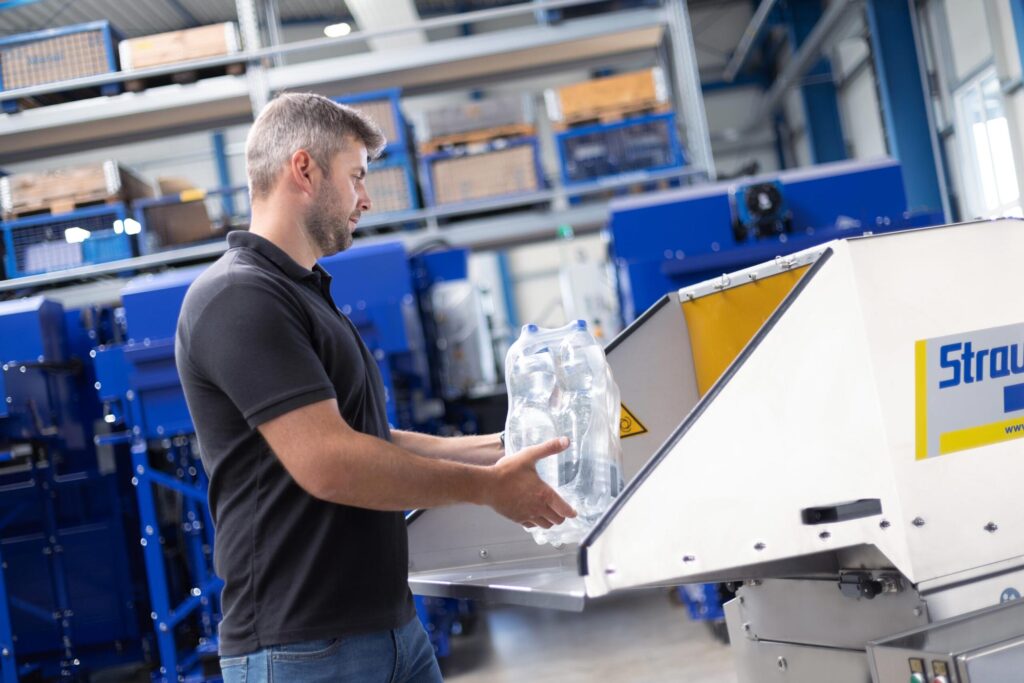
Industrial compactors aren't just used to reduce cardboard volume; they can also be crucial tools for managing a wide variety of materials: polystyrene, plastic film, PET bottles, cans, mixed packaging, and even containers with residual liquids. In many companies, the issue isn't just "how much cardboard to dispose of," but how to organize […]